

Introduction
Article Summary: A Senior Real Estate Specialist (SRES) is an agent with 12 hours of extra classroom time. While the badge looks fancy, the real value lies in their vendor network (movers, estate liquidators) and their ability to navigate probate and capital gains tax logic. In 2026, you shouldn’t pay a higher commission for this title, but you should demand more technical expertise.
Note: Local labor rates for senior relocation services and real estate commissions change constantly. See our full regional cost table below.
Video Guide Overview
Affiliate Disclosure: To keep this site free, we may earn a commission from products linked in this article. We only recommend tools that provide technical utility for homeowners over 60.
The Short Answer: Marketing Badge or Real Value?
A Senior Real Estate Specialist (SRES) is a licensed real estate agent who completed a two day course focusing on the 50+ demographic. It is a “designation” from the National Association of Realtors. Let’s be blunt: sitting in a hotel conference room for 12 hours does not make someone an expert in your life. However, the right SRES understands that selling a home after 40 years is a different beast than selling a starter condo for a 25 year old. They focus on downsizing, reverse mortgages, and the emotional “clutter” that stops most seniors from moving. If you need a project manager to handle your transition, they are great. If you just need a sign in the yard, any competent agent will do. Don’t pay for the badge: pay for the experience.
The Financial Logic of Hiring an SRES in 2026
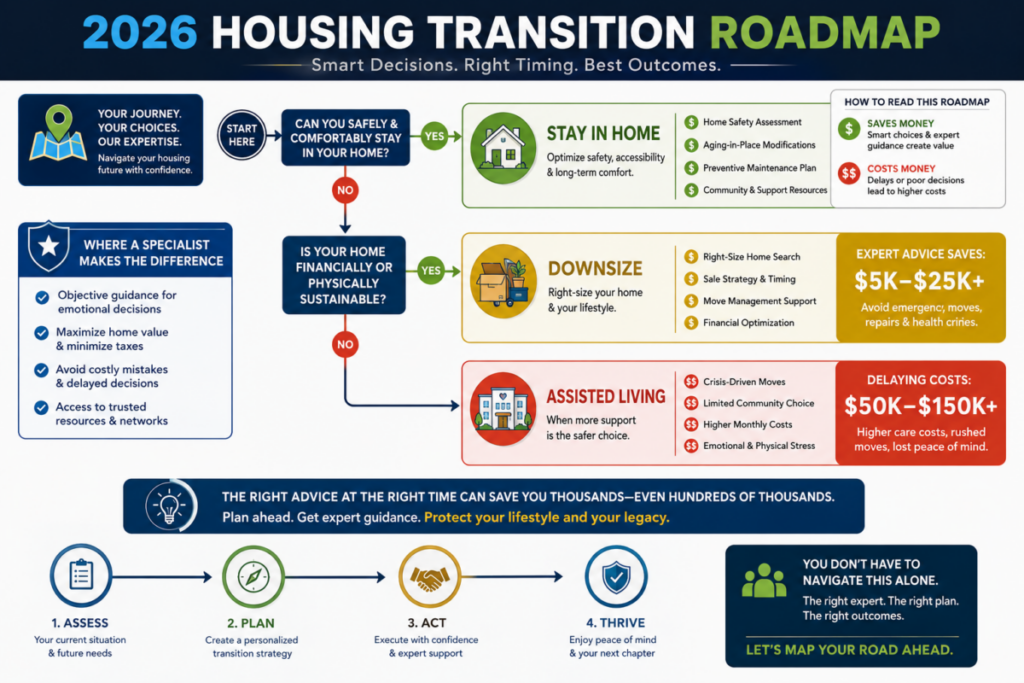
Most real estate agents want a quick “list and flip.” They want you to paint everything grey, move out, and let them sell it. An SRES (theoretically) understands the Equity Harvest. This is the process of extracting the maximum cash from your home to fund the next 20 years of your life. This involves more than just a high sale price: it involves tax planning and timing. I have seen homeowners lose $40,000 in capital gains taxes simply because their agent didn’t understand the primary residence exclusion rules for widows. That is a failure of logic, not just marketing.
Technical Deep Dive: The IRS Section 121 Trap
One of the biggest risks for seniors selling in 2026 is the capital gains tax. Under current logic, an individual can exclude $250,000 in gain ($500,000 for married couples). A qualified SRES should be looking at your original “basis” (what you paid for the house in 1985 plus improvements). If your agent doesn’t ask to see receipts from that kitchen remodel you did in 1998, they are costing you money. They need to coordinate with your tax professional to ensure you aren’t handing a massive chunk of your retirement to the government. We call this “Basis Tracking,” and it is a technical hurdle most “regular” agents ignore because it’s boring and doesn’t involve pretty pictures on Instagram.
2026 Cost Transparency: Specialist Fees vs. DIY
In 2026, real estate commissions have become more transparent due to recent legal settlements. You are no longer “forced” into a standard 6% fee. When hiring a specialist, you are paying for their “Senior Service Stack.” This includes their rolodex of contractors and their time spent holding your hand through 40 years of memories. Here is how the numbers break down for a typical $500,000 home sale.
| Service Item | DIY / Basic Agent | SRES / Full Service | The Logic |
|---|---|---|---|
| Commission (Total) | $10,000 – $15,000 | $15,000 – $25,000 | Negotiate for performance bonuses. |
| Declutter/Cleanout | $2,500 (Roll-off bin) | $0 (Included in network) | Estate sales should pay YOU. |
| Staging & Prep | $3,000 | $1,500 (Targeted) | Only stage high-traffic areas. |
| Tax Strategy Audit | $0 (None) | Included in Consult | Value of $10k+ in tax savings. |
Technical Deep Dive: The Opportunity Cost of Staying
Many seniors refuse to sell because they think an SRES is “too expensive.” Let’s look at the math. If you live in a 3,000 square foot home but only use 800 square feet of it, you are paying property taxes, heating, and cooling on “dead space.” In most markets, this “carrying cost” is roughly $1,200 to $2,500 per month. If you wait two years to sell because you are overwhelmed, you just “spent” $30,000 to $60,000 on nothing. Hiring a specialist who can get you moved in 60 days isn’t an expense: it’s a debt-reduction strategy. Logic dictates that you should pay a 1% premium to a specialist if they can save you 12 months of carrying costs.

Affiliate Product Comparison: The Transition Toolkit
Moving requires more than just a realtor. You need the right tech and tools to ensure your belongings and your data survive the move. I recommend these three items for any senior transition in 2026.
| Product Name | Best Use Case | Charles’ Take |
|---|---|---|
| ScanSnap iX1600 | Digitizing 40 years of paper files. | Paper is heavy and a fire hazard. Scan it, cloud it, and shred the rest. |
| August Smart Lock (4th Gen) | Allowing contractors/agents access. | Stop handing out physical keys. Track who enters your home via your phone. |
| Epson Home Cinema 2350 | Downsizing your TV setup. | Don’t move a 100lb wooden TV console. Use a projector in your new smaller space. |
Managing the “Stuff” – The Physical Logistics
If you’ve lived in a house since the 1990s, you aren’t just selling real estate: you are running a landfill. The average senior home has 15,000 items. An SRES should have a “Senior Move Manager” on speed dial. This person is like a wedding planner, but for your basement. They don’t just throw things away: they help you decide what fits in the new 1,200 square foot patio home. This is where most regular agents fail. They tell you to “just get a dumpster.” That is lazy and logically unsound. Many of your items have value, and a specialist should help you monetize them through estate auctions to offset your moving costs.
Technical Deep Dive: Zoning and Aging-in-Place Conversions
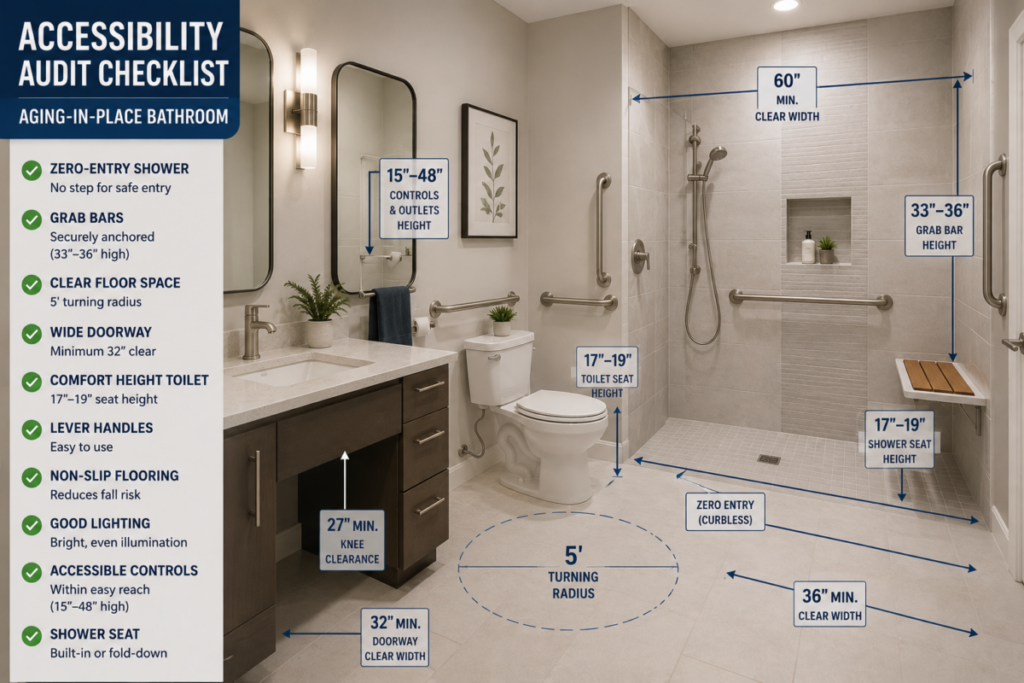
Sometimes the logic says don’t move. If your SRES is honest, they will look at your home and tell you if it can be modified. This involves understanding “Visitability Standards.” Can the hallways be widened to 36 inches? Is the floor joist system strong enough to support a curbless shower? A regular agent sees a bathroom: a specialist sees a potential fall hazard. If you are choosing between selling and staying, you need an agent who understands the Best Housing Options After 60 and won’t just push a sale to get a commission check. They should understand the local zoning for Accessory Dwelling Units (ADUs) if you want to build a small unit for a caregiver.
The “No-Fluff” SRES Interview: 8 Action Steps
Don’t be fooled by a soft voice and a nice brochure. Use these steps to audit your potential agent. If they get defensive, fire them. Logic doesn’t care about their feelings.
- Ask for their “Vendor Stack”: Ask for a printed list of their preferred movers, estate sale companies, and handymen. If they don’t have one, they aren’t a specialist.
- Verify “Probate Literacy”: Ask them to explain the difference between a “Step-up in Basis” and a “Gifted Basis.” If they look like a deer in headlights, they will cost you thousands in taxes.
- Demand a “Declutter Timeline”: A real specialist should provide a week-by-week plan for clearing the house. “Just start in the garage” is not a plan.
- Check for “Accessibility Eyes”: Ask them to point out three things in your current home that would make it difficult for an 80 year old to live in. If they can’t see the hazards, they can’t sell the benefits of your new “senior-friendly” home.
- Analyze the “Family Communication” Plan: If your kids are involved, ask the agent how they handle “Group-Think.” A good SRES knows how to keep three adult children and two parents on the same page without a blowout.
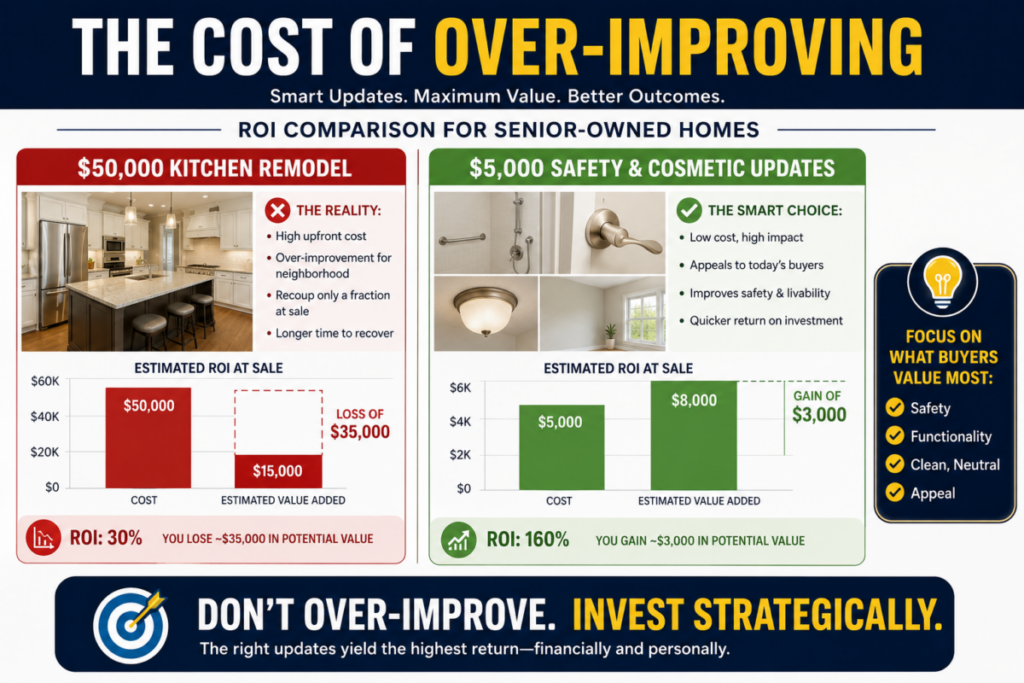
- Review “Cost-to-Value” Estimates: Ask which repairs are mandatory versus “vanity” projects. We want a 2:1 return on every dollar spent before listing.
- Negotiate the “Ancillary Fee” Structure: Some SRES agents charge extra for “coordination.” Get this in writing. Transparency is the only way to protect your net worth.
- Verify Local Retirement Community Knowledge: Ask them about the waiting lists for the top three Condo Living After Retirement spots in town. If they don’t know the local market, they are just a generalist with a badge.
Technical Deep Dive: The Probate and Trust Hurdles
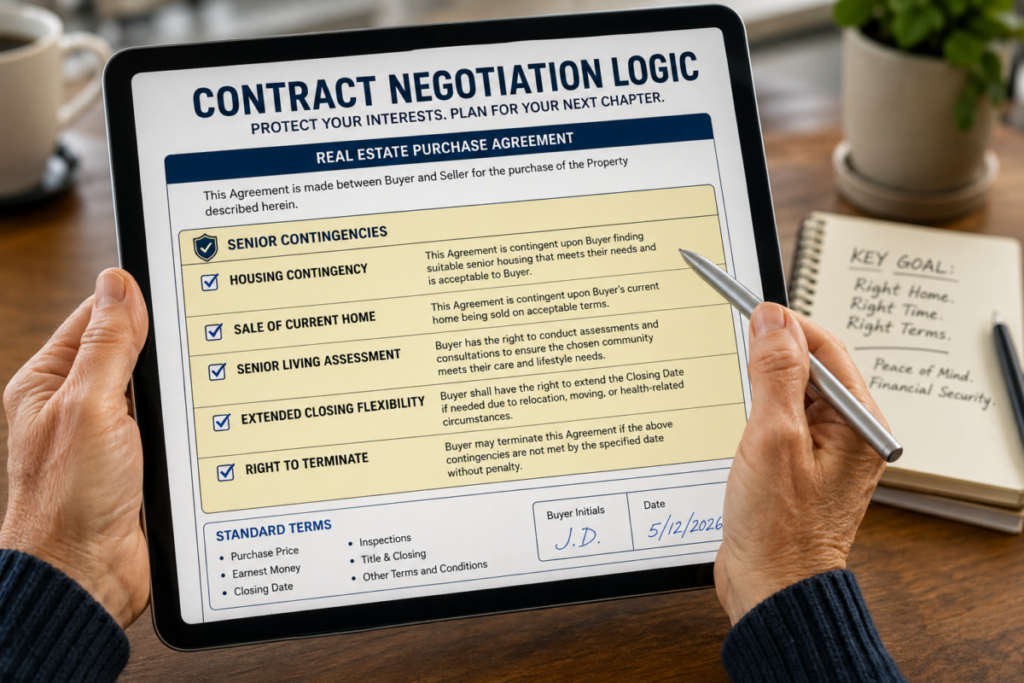
Many senior homes are held in a Living Trust. A “standard” agent often messes up the signature blocks on the contract, causing a three week delay at the Title Company. I have seen deals fall apart because an agent didn’t realize the “Successor Trustee” had changed. An SRES should ask for your “Certificate of Trust” on day one. They should also understand “Power of Attorney” (POA) limitations. If you are selling for a parent, the agent needs to verify that the POA is “Durable” and covers real estate transactions. This is the “boring” stuff that prevents lawsuits. Logic dictates that you should Aging in Place vs Downsizing only after verifying your legal standing to sell.
Questions to Ask Before Moving Into a 55+ Community
If your SRES is helping you buy your next home, they need to be an expert in “Restrictive Covenants.” 55+ communities are governed by Homeowners Associations (HOAs) that can be more strict than a drill sergeant. You need to know:
1. What is the “Reserve Study” status? (Are they broke?)
2. Are there “Age Overlay” exceptions? (Can your 20 year old grandson live with you?)
3. What is the “Transfer Fee” when you sell?
A specialist will pull the Questions to Ask Before Moving Into a 55+ Community list and get answers before you put down a deposit.
Summary: The Logic of the Specialist
Hiring a Senior Real Estate Specialist isn’t about finding someone “nice.” It’s about hiring a Project Manager for one of the most complex financial and physical moves of your life. In 2026, the real estate market is fast, digital, and unforgiving. You need someone who can translate 40 years of homeownership into a clean, profitable exit. If they have the SRES badge, great. If they don’t, but they have 20 years of experience and a crew of movers ready to go, that’s even better. Focus on the results, not the designation.

Links To Other Helpful Articles
About the Author: Charles O’Dell
Charles O’Dell is the owner of MobileHomeFriend.com and HousingAfter60.com. Prior to his real estate career, Charles was a practicing CPA and financial planner with American Express. This financial background allows him to see real estate through a lens of tax efficiency and net-worth protection. With 23+ years of experience and over 100 successful property flips, Charles has seen every mistake in the book. He specializes in helping homeowners over 60 navigate high-stakes transitions with first-principles logic, stripping away the marketing “fluff” to find sustainable housing solutions.
Related Questions
Do SRES agents charge more? Usually no. Most work on the same commission structure as other agents, but they may offer “add-on” services for moving coordination.
Can an SRES help with a reverse mortgage? They can explain how it works and refer you to a lender, but they cannot (and should not) originate the loan themselves.
Is the SRES designation permanent? No. Agents must stay active in the National Association of Realtors and pay annual dues to keep the marketing title.
Written by Charles O’Dell, a former CPA and 23-year real estate veteran who has flipped 100+ properties and managed hundreds of senior transitions.